How to Choose Durable Materials for Outdoor Keychains

Time:2026-09-11 Author:Charlotte
0%

Choosing a keychain for outdoor use involves more than selecting a strong-looking metal. The right material must survive rain, sweat, dust, impact, and repeated handling. This guide explains How to choose durable materials for outdoor using keychains, with practical details for hikers, campers, guides, and everyday users.

Stainless steel offers excellent corrosion resistance near beaches and wet forests. Titanium is lighter, but usually costs more. Aluminum reduces weight, although scratches and bending can appear sooner. For rugged clips, hardened steel may provide better strength, but it can rust without proper protection. Coatings help, yet damaged coatings expose the weaker surface underneath. No material wins every test.

Outdoor industry expert Yvon Chouinard has said, “The more you know, the less you need.” That idea fits material selection well. A useful keychain should match its environment, not merely look premium. Check the ring’s thickness, attachment point, clasp design, and surface finish. A thin ring may fail before the main body does. Saltwater users need different priorities than dry-trail users. That detail is easy to miss.

Reliable decisions also require evidence. Look for manufacturer specifications, corrosion testing, load information, and clear warranty terms. Avoid trusting vague claims such as “military grade” without supporting data. In real use, dirt can enter small hinges, and frozen moisture can restrict movement. Regular rinsing and drying often extend service life. Still, maintenance cannot repair poor material choices. A careful comparison may feel slower, but it prevents a small accessory from becoming an annoying failure outdoors.
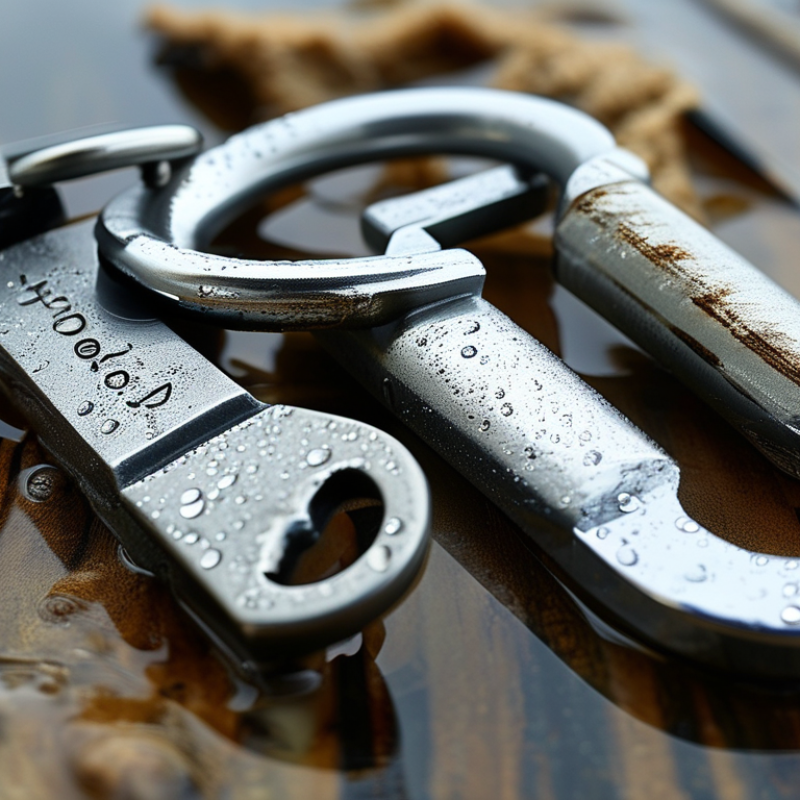
How to Choose Durable Materials for Outdoor Keychains

Define the Durability Requirements for an Outdoor Keychain

Before choosing a material, define how the outdoor keychain will actually be used. A hiking keychain may face rain, mud, sunlight, and repeated drops. A daily-use keychain may suffer more abrasion inside pockets and bags. That sounds obvious. However, many designs fail because the conditions remain too vague.

Set measurable requirements for moisture, temperature, impact, and weight. For wet environments, examine corrosion resistance and water absorption. Stainless steel, treated aluminum, and weather-resistant polymers can perform differently after repeated exposure. Check whether the surface becomes brittle under cold conditions or softens in strong heat. For a keychain exposed to sunlight, UV resistance matters because fading can signal deeper material damage. The attachment loop also needs attention. It should tolerate pulling, twisting, and accidental snagging without sharp deformation.

In practical testing, I would simulate several weeks of use rather than inspect a new sample once. Drag it across rough fabric, drop it onto concrete, and leave it outdoors after rain. Record cracks, discoloration, loosened joints, and changes in texture. A small spring scale can help measure pulling force consistently. Results may reveal an uncomfortable trade-off: a lighter material can improve carrying comfort but reduce impact strength. I have also found that attractive coatings sometimes hide early scratches. That deserves a second look. Durability is not just about surviving one dramatic test. It is about remaining safe, functional, and comfortable through ordinary outdoor wear.

Compare Metals, Plastics, Wood, and Silicone for Outdoor Use

How to Choose Durable Materials for Outdoor Keychains

Outdoor keychains face rain, sunlight, dust, sweat, and repeated impact. Material choice matters more than appearance. Metals offer strong attachment points and resist crushing in pockets or tool bags. Stainless steel handles moisture well, while aluminum stays light but can scratch and bend more easily. Metal may also become hot in direct sun. I once underestimated that detail during a summer hike.

Plastics are lightweight, affordable, and available in many colors. Weather-resistant plastic can survive splashes and occasional drops, but weak grades may become brittle under ultraviolet exposure. Check the thickness around the ring hole. That small area usually fails first. Wood feels warm and distinctive, yet it absorbs water and may swell, crack, or lose its finish. Sealed hardwood performs better, although no coating remains perfect forever. I would not choose wood for constant wet conditions.

Silicone stays flexible in cold weather and provides a comfortable grip. It also resists light rain and scratches better than many hard plastics. However, soft silicone can tear around thin attachment points and collect dust. For daily outdoor use, I prefer a metal ring paired with a durable plastic or silicone body. Test the finished keychain before production. Hang it from a loaded pack, expose it to water, and inspect the hole after repeated pulls. Results can vary, so material claims should never replace practical testing.

Evaluate Resistance to Water, UV Rays, Scratches, and Impact

Outdoor keychains face more abuse than indoor accessories. They hang from wet backpacks, rattle against metal zippers, and sit under strong sunlight. I test materials outdoors for several weeks before choosing them. A short shower is not enough. I also check seams, edges, and attachment holes after repeated exposure.

Water resistance starts with the material and its surface treatment. Stainless steel, sealed aluminum, and certain durable plastics usually perform well in rain. However, water can collect inside small joints and cause hidden corrosion. Dry the keychain overnight, then inspect it for stains, swelling, or a loose ring. I once trusted a smooth coating too quickly. It looked perfect after one day, but became cloudy after several wet cycles.

UV rays can fade colors and make some plastics brittle. Place samples near a sunny window or outdoors, then compare them with an unexposed sample. Scratches matter too. Drag a key across the surface using light, repeated pressure. A deep mark may expose weaker material beneath the finish. Impact testing needs care, not drama. Drop the keychain from pocket height onto concrete, then check cracks, bent connectors, and sharp edges. Repeat the test several times. One drop can produce misleading results. A reliable design should remain functional, readable, and comfortable after ordinary daily punishment.

Select the Best Material Based on Climate and Daily Activities

Choosing a durable outdoor keychain starts with your climate, not its appearance. In humid regions, stainless steel resists rust and handles frequent rain well. Near the coast, rinse away salt after outdoor use. Salt can damage small joints faster than expected. For cold climates, choose a material that tolerates repeated freezing and thawing. Brittle coatings may crack when temperatures change sharply.

Daily activities also determine the right material. An anodized aluminum keychain feels light during hiking, cycling, or commuting. It works well when every gram matters. However, it can scratch against tools, coins, or metal buckles. Stainless steel is heavier, but better suited to rough pockets and frequent impact. For kayaking or rainy walks, check the clasp and connection ring carefully. A strong body cannot compensate for a weak attachment point.

I once chose a lightweight keychain for long hikes, then disliked its sharp edges after several hours. Small details matter. Look for rounded surfaces, secure fasteners, and a finish that does not feel slippery when wet. Zinc-based alloys can suit casual use, but inspect them regularly in damp conditions. No material is perfect. Consider how often the keychain gets wet, dropped, or exposed to sand before deciding. A simple rinse and occasional inspection can extend its useful life.

How to Choose Durable Materials for Outdoor Keychains

Select the best material based on climate, moisture exposure, and daily activities.

Lower water absorption generally improves dimensional stability and reduces moisture-related swelling. Stainless steel, anodized aluminum, brass, and acetal are suitable for humid or rainy climates. Nylon 6 is lightweight and impact-resistant, but it absorbs more moisture and may expand slightly in wet conditions. For saltwater exposure, stainless steel is typically the strongest choice; for lightweight everyday use, anodized aluminum is a practical option. Values shown are representative typical values and can vary by material grade and finish.

Check Manufacturing Quality, Maintenance Needs, and Lifespan

How to Choose Durable Materials for Outdoor Keychains

Outdoor keychains face rain, sweat, dust, sunlight, and repeated drops. Material choice matters, but manufacturing quality often matters more. A strong metal can still fail when its ring is poorly welded or its coating is uneven. Inspect the edges, joints, and attachment points closely. There should be no sharp burrs, loose seams, or visible cracks. Press and twist the keychain gently. Excessive movement suggests weak assembly.

Maintenance needs should fit real daily use. Stainless steel usually requires only occasional wiping with a dry cloth. Aluminum is lightweight, but soft surfaces can scratch more easily. Hard plastic resists moisture, yet prolonged sunlight may cause fading or brittleness. After exposure to saltwater or mud, rinse the keychain with clean water. Dry the hinge and ring completely. Small trapped droplets can encourage corrosion.

Lifespan depends on both material and workload. A keychain carrying several heavy keys needs a thicker ring and stronger connector. Ask for testing details, such as repeated pull tests, coating adhesion checks, and corrosion exposure. Those records are more useful than vague claims about durability. I once chose a polished finish that looked excellent, but scratches appeared within weeks. That mistake changed my inspection habits. Appearance is not proof. Replace worn rings early, even when the charm still looks intact.

How to Choose Durable Materials for Outdoor Keychains: Manufacturing Quality, Maintenance Needs, and Lifespan

Material Outdoor Durability Weather and Corrosion Resistance Manufacturing Quality Checks Maintenance Needs Typical Service Life Best Use Case
316 Stainless Steel Excellent
Strong, wear-resistant, and suitable for demanding outdoor use.
Very good resistance to rain, humidity, sweat, and salt exposure. It may still develop surface staining in severe coastal or chemical environments. Check the steel grade, weld or joint strength, edge smoothness, engraving depth, plating uniformity, and resistance to pull-out at the key ring attachment. Rinse with fresh water after salt exposure and dry with a soft cloth. Avoid chlorine-based cleaners and abrasive pads. Approximately 8–15 years or longer with normal outdoor use. Marine environments, hiking, camping, work gear, and long-term everyday carry.
Anodized Aluminum Very Good
Lightweight with good resistance to general outdoor handling.
Good resistance to moisture and oxidation. The anodized layer can be scratched or worn through at contact points, exposing the base metal. Check anodizing thickness and consistency, color adhesion, burr removal, hole alignment, dimensional accuracy, and resistance to coating scratches. Wipe clean with mild soap and water. Do not use strong alkaline cleaners or abrasive materials that can damage the anodized surface. Approximately 4–10 years, depending on abrasion and coating quality. Lightweight keychains, travel accessories, promotional items, and moderate outdoor use.
Titanium Excellent
High strength-to-weight ratio and strong resistance to outdoor wear.
Excellent resistance to seawater, humidity, and many common environmental chemicals. The surface can still show scratches from hard contact. Verify material grade, machining accuracy, edge finishing, hole strength, surface treatment consistency, and connection-point fatigue resistance. Usually requires only occasional washing and drying. Avoid steel brushes that may leave surface contamination. Approximately 10–20 years or longer when properly designed. Premium lightweight gear, marine use, climbing accessories, and harsh outdoor conditions.
Brass Good
Solid and impact-resistant, but its appearance changes naturally outdoors.
Moderate to good resistance to normal humidity. It develops a darker oxide layer or patina and may tarnish faster in salty or polluted air. Check alloy consistency, casting or machining quality, porosity, thread or hole integrity, edge finishing, and protective coating coverage if used. Clean with mild soap and water and dry thoroughly. Polish only when a bright finish is required; polishing removes some surface patina. Approximately 5–15 years, with appearance changing before structural failure. Decorative outdoor accessories, heritage-style designs, and moderate exposure conditions.
Zinc Alloy with Protective Coating Good
Suitable for general use when the coating and casting quality are consistent.
Acceptable resistance when fully coated. Scratches, chips, and exposed edges can allow corrosion to develop, especially in damp or salty conditions. Check casting density, absence of cracks and pits, coating thickness, adhesion, edge coverage, dimensional consistency, and load testing of the attachment point. Keep dry when possible and wipe away salt, mud, or chemicals promptly. Repair or replace parts when coating damage exposes the base metal. Approximately 2–7 years, depending heavily on coating quality and exposure. Budget-friendly designs, casual outdoor use, and decorative shapes made by die casting.
Acetal (POM) Plastic Very Good
Low water absorption, low friction, and good resistance to repeated handling.
Resists moisture and many common chemicals. Long exposure to strong sunlight can gradually reduce color and mechanical performance unless UV-stabilized. Check resin specification, UV stabilization, molding accuracy, wall thickness, flash removal, color consistency, and tensile strength around holes. Wash with mild soap and water. Avoid prolonged exposure to intense heat, strong acids, and unapproved solvents. Approximately 3–8 years outdoors; potentially longer in shaded or UV-stabilized applications. Lightweight utility keychains, water-sensitive environments, and designs requiring quiet operation.
Lifespan figures are typical estimates rather than guarantees. Actual service life depends on sunlight, saltwater exposure, temperature changes, abrasion, load weight, coating quality, joint design, and maintenance frequency.

FAQS

: What outdoor conditions should a keychain withstand?

: It may face rain, mud, sunlight, sweat, dust, and repeated drops. Define temperature, moisture, impact, and weight requirements before selecting materials. Vague conditions create weak designs. Test real conditions.

Which materials suit outdoor keychains best?

Stainless steel handles moisture well and provides strong attachment points. Aluminum is lighter but may scratch or bend more easily. Durable plastic offers low weight and many colors. Silicone stays flexible in cold weather. Wood feels warm but absorbs water and may crack.

Is wood suitable for wet outdoor use?

Usually, no. Wood can swell, crack, or lose its finish after repeated moisture exposure. Sealed hardwood performs better, but coatings eventually wear. Choose wood only for occasional damp conditions.

How can I test a keychain before production?

Drag it across rough fabric and drop it onto concrete. Leave it outdoors after rain. Hang it from a loaded backpack. Measure pulling force with a small spring scale. Record cracks, fading, loose joints, and texture changes.

Which part usually fails first?

The attachment hole and connector often receive the most stress. Inspect their thickness carefully. Pull and twist the keychain gently. Excess movement may reveal weak assembly. Small parts matter.

How does sunlight affect material performance?

Ultraviolet exposure can fade surfaces and make weak plastics brittle. Fading may signal deeper damage. Check color changes after outdoor exposure. Inspect the attachment area, not only the visible front.

What manufacturing defects should I inspect?

Look for sharp edges, burrs, loose seams, cracks, and uneven coatings. A strong material can still fail after poor assembly. Press and twist the keychain gently. Polished surfaces can hide early scratches. I learned that late.

How should an outdoor keychain be maintained?

Rinse away saltwater and mud with clean water. Dry the ring, hinge, and attachment hole completely. Use a dry cloth for routine cleaning. Trapped droplets can encourage corrosion. Replace worn rings early, even when the design still looks attractive.

Conclusion

Choosing the right material is essential for creating an outdoor keychain that remains reliable through changing weather and daily wear. How to choose durable materials for outdoor using keychains begins with identifying the expected conditions, such as rain, sunlight, temperature changes, frequent handling, and accidental drops. Metals usually provide strong impact and scratch resistance, while plastics can offer a lightweight and affordable option. Wood adds a natural appearance but needs protective treatment, and silicone is flexible, water-resistant, and comfortable to handle.

The best choice depends on the local climate and the user’s activities. In wet or sunny environments, prioritize materials and finishes that resist moisture, UV exposure, corrosion, and fading. Also examine manufacturing quality, including secure connections, smooth edges, durable coatings, and consistent construction. A good outdoor keychain should require minimal maintenance, although occasional cleaning and drying can extend its service life. By balancing strength, weight, appearance, environmental resistance, and expected lifespan, users can select a material that performs well for their specific outdoor needs.

Charlotte

Charlotte

Charlotte is a seasoned marketing professional with a deep understanding of the company's portfolio and a passion for elevating its presence in the market. With a keen eye for detail and a commitment to excellence, she ensures that our professional blog is regularly updated with insightful articles......